Hilton of Cadboll Chapel
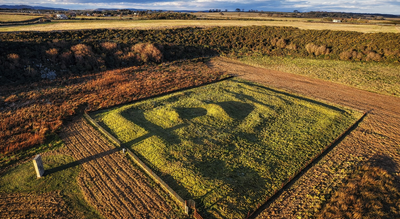
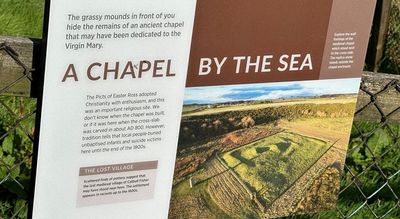
Tucked above the shoreline at Hilton of Cadboll, overlooking the Moray Firth, lie the quiet, turf-covered remains of a small medieval chapel. Today, only the grassed-over footings trace the outline of its walls, but this peaceful spot was once a place of worship at the heart of the Seaboard community. Visitors who walk the short path to the site can still sense its history — not only as a chapel, but as the setting for one of Scotland’s most remarkable Pictish monuments.
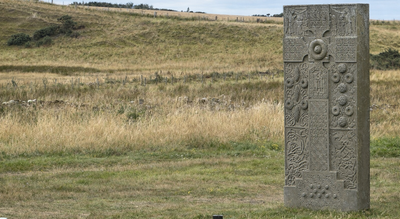
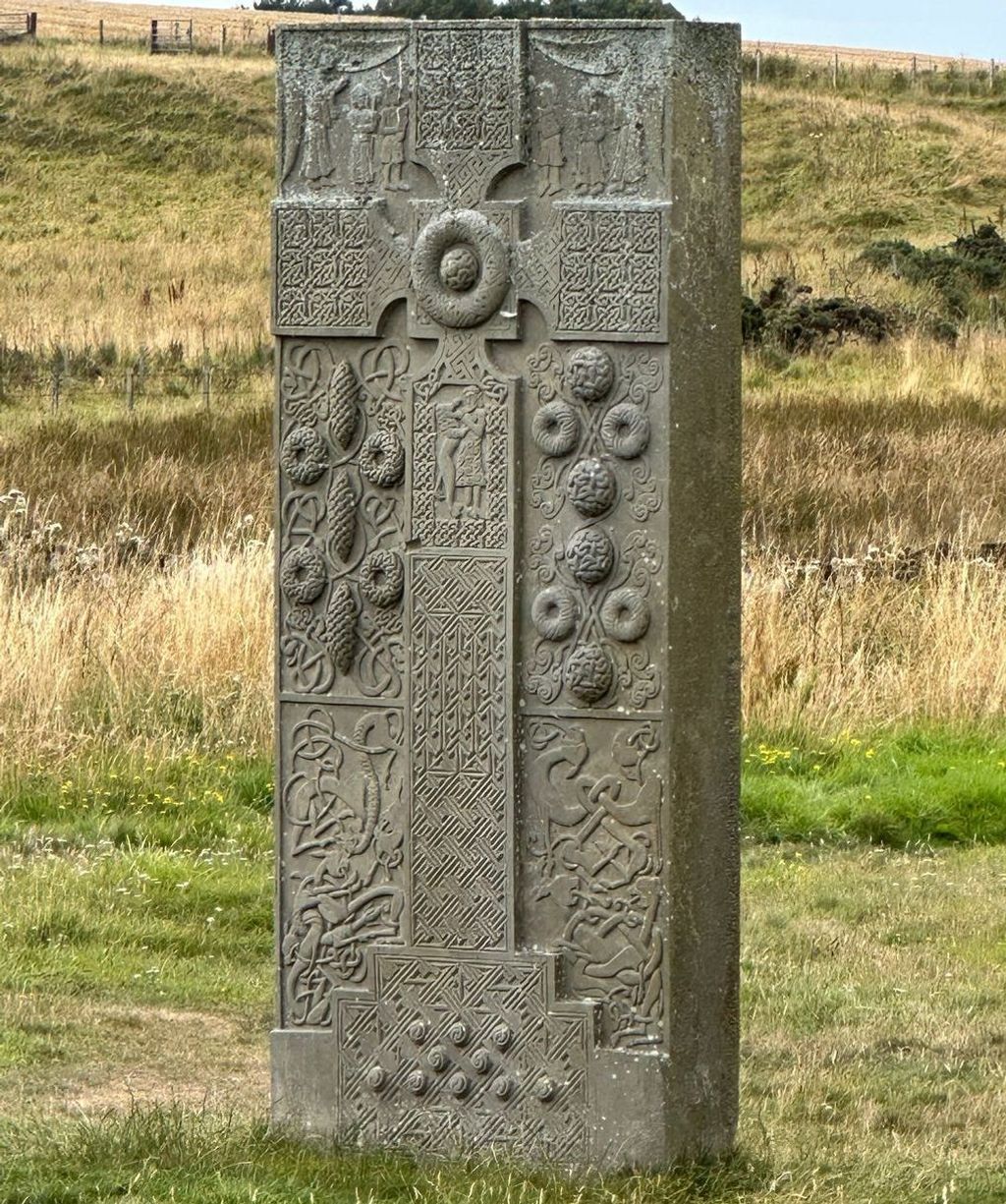
For around 800 years, a magnificent Pictish cross-slab stood beside the chapel. Erected around AD 800, the stone originally rose proudly near the place of Christian worship, linking the early medieval church in Easter Ross with the artistic and spiritual life of the Picts. At some point it fell but was re-erected soon afterwards, continuing to stand for centuries. In 1676, however, the slab’s story took a dramatic turn: it was cut off at ground level and reworked for use as a grave marker. In doing so, part of its great cross was lost, altering forever the monument’s original form.
The stone is renowned for its extraordinary carved hunting scene — unusual among Pictish monuments for placing a woman at the centre of the composition. The detail and movement in the carving reflect exceptional craftsmanship and hint at the status and identity of the person commemorated. Today, the original cross-slab is preserved in the National Museum of Scotland in Edinburgh, where its artistry can be appreciated up close. A carefully made replica now stands near the chapel site at Hilton of Cadboll, allowing visitors to imagine how the monument once looked in its coastal setting.
Though only the chapel’s foundations remain, the site continues to tell a powerful story of early Christian faith, and of a community whose heritage stretches back more than a thousand years along the shores of Easter Ross.